Collection: Moroccan Artisan Woodcarving

The Art of Moroccan Woodcarving

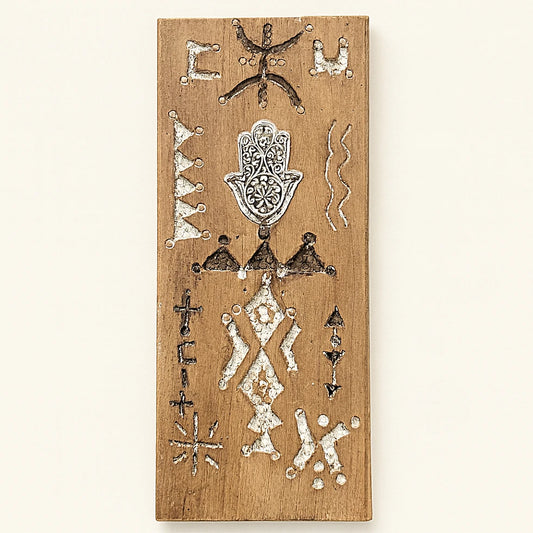
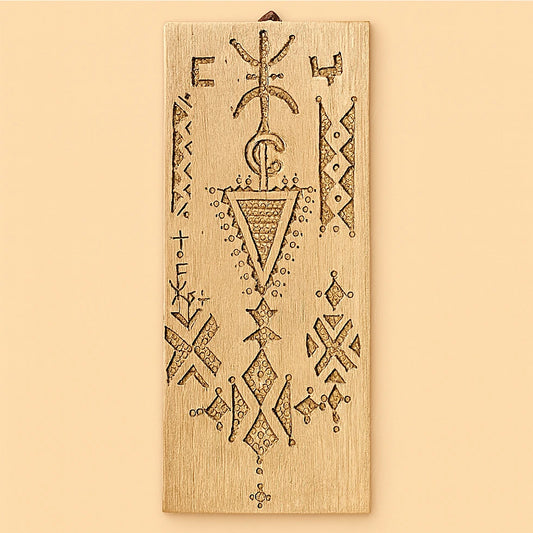
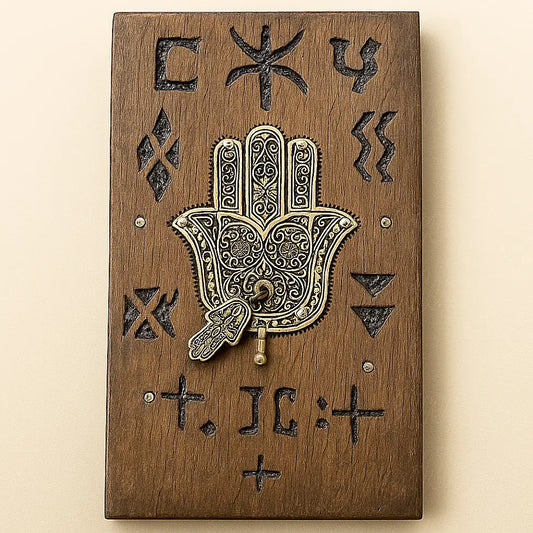
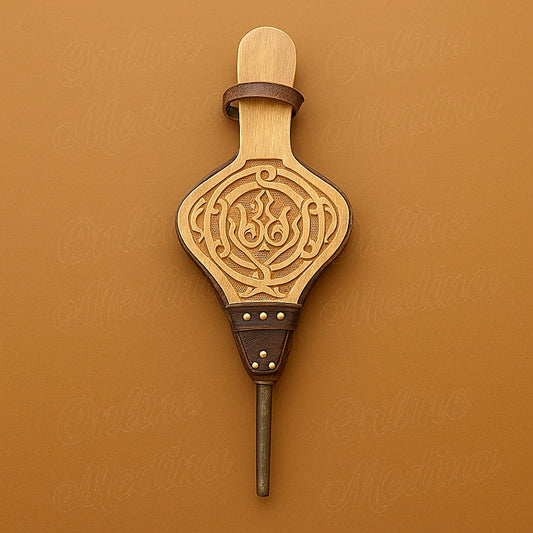
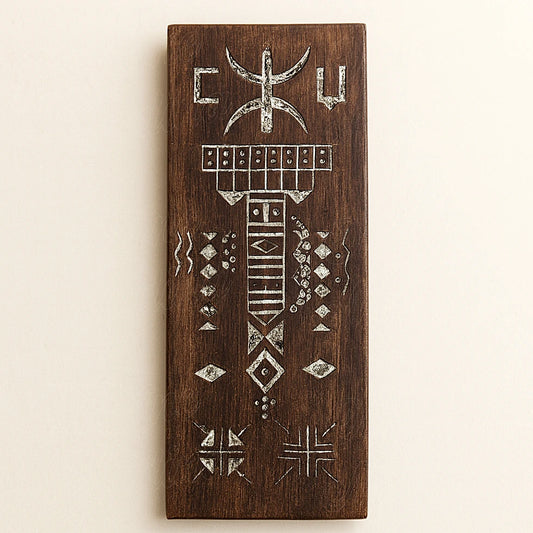
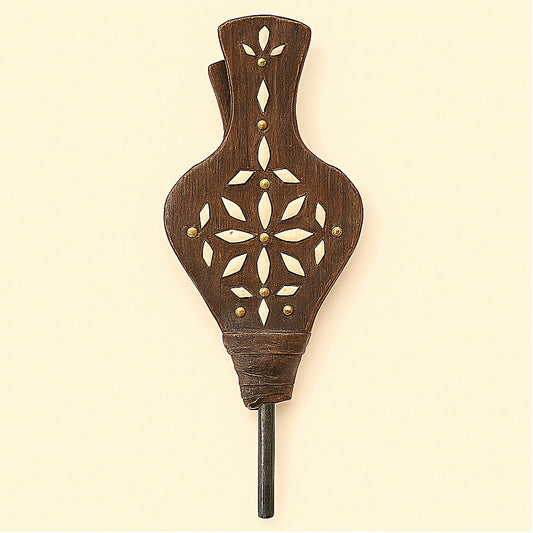
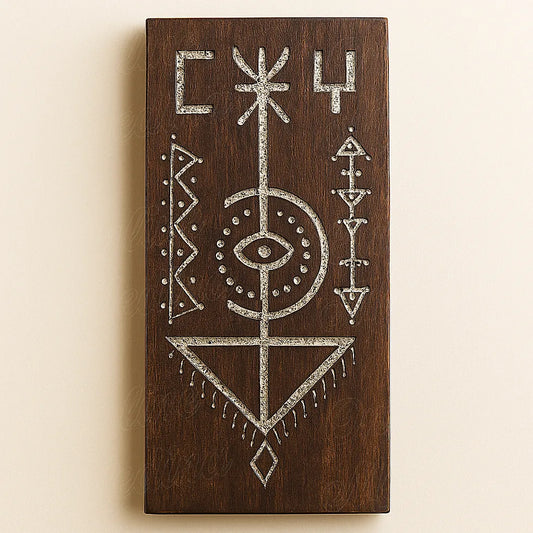
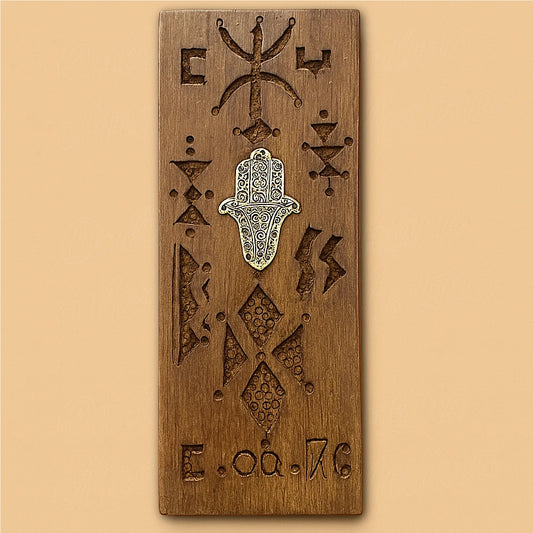
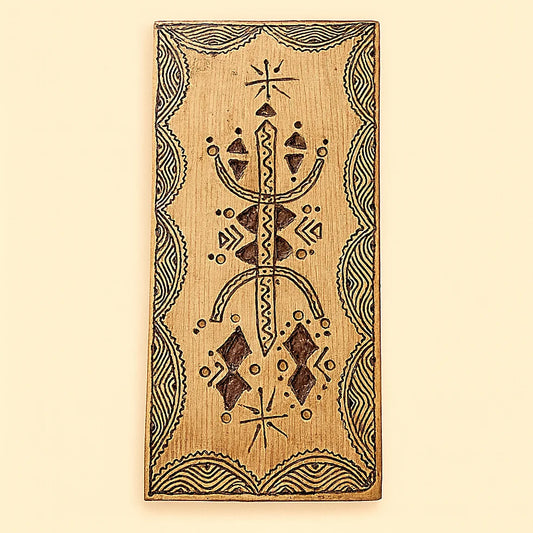
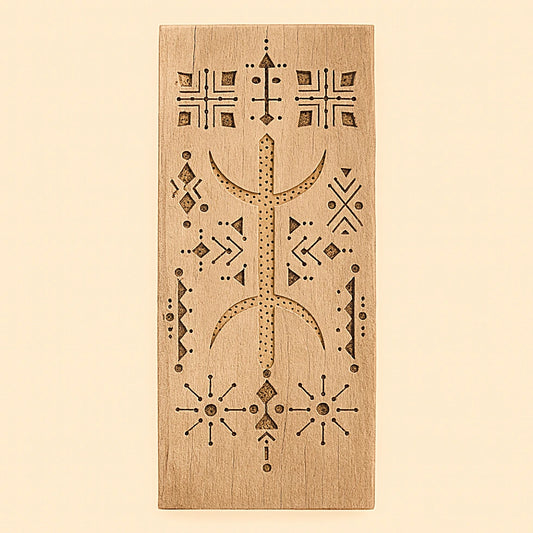
Discover Moroccan woodcarving, where each motif is meticulously hand-engraved. Explore below our bellows, talismans, and carved decorations created by artisans who preserve centuries-old craftsmanship.

Collapsible content

Heritage of Moroccan Wood Carving

Wood carving is integral to Moroccan architecture, decorating doors, ceilings, riads, mosques, and traditional furniture. Each region has its own style: Fes for its delicate floral engravings, Marrakech for bold geometric depth, Essaouira for clean, elegant lines. The craft is typically learned through long apprenticeships where artisans develop precision, patience, and an eye for balanced patterns. Hand-carved pieces reflect a level of artistic devotion impossible to reproduce industrially. Bringing such an object into your home means preserving a noble tradition and adding a piece of living history to your decor.

Techniques: Carving, Engraving & Pattern Making

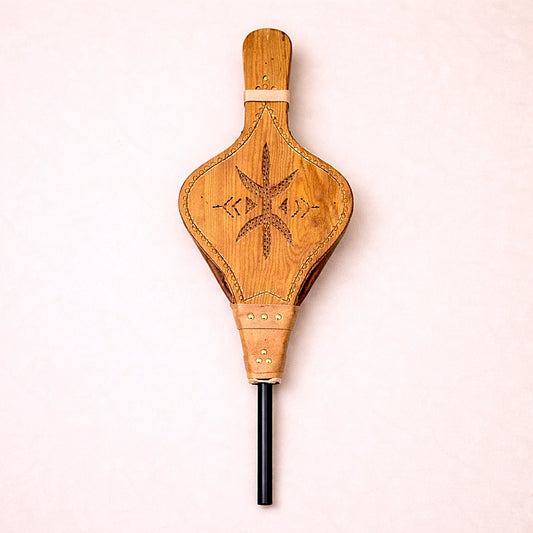
The process begins with selecting stable, well-dried wood. Patterns are sketched onto the surface, then carved layer by layer. Straight chisels define the outlines; gouges shape curves and floral details; the mallet adds controlled force. Reliefs, shadows, and symmetry are refined slowly until the design becomes crisp and dimensional. The same techniques apply to bellows façades, where motifs must remain both decorative and functional. This slow craftsmanship creates pieces with depth, harmony, and an unmistakably handmade character.
Materials & Finishes: Wood, Leather & Brass

Cedar is valued for its fragrance and longevity, thuya for its striking grain, and lemonwood for its fine, light texture. Bellows combine carved wood with hand-stitched leather and brass studs, creating a balance of durability and ornamentation. Finishes vary from natural oil to wax or light patina, depending on the desired look. The natural imperfections of wood — grain variations, knots, subtle color shifts — enhance its authenticity. These qualities make handcrafted Moroccan woodwork uniquely warm and tactile.

Care Tips for Wood & Bellows

Dust wooden pieces regularly with a dry cloth. Once or twice a year, nourish the surface with natural wax or oil to maintain its depth and prevent drying. Avoid direct humidity or heat sources that may warp the wood or damage leather parts on bellows. Keep metal elements dry to avoid oxidation. With proper care, handcrafted woodwork ages gracefully, developing a richer patina and deeper character — qualities that distinguish true artisanal craftsmanship from machine-made décor.