Collection: Moroccan Artisan Metalwork
The Art of Moroccan Metalwork
Explore the essence of Moroccan metalwork: an ancestral craft where metal is hammered, pierced, and sculpted by hand. Discover below our signature pieces shaped by skilled master artisans.
-

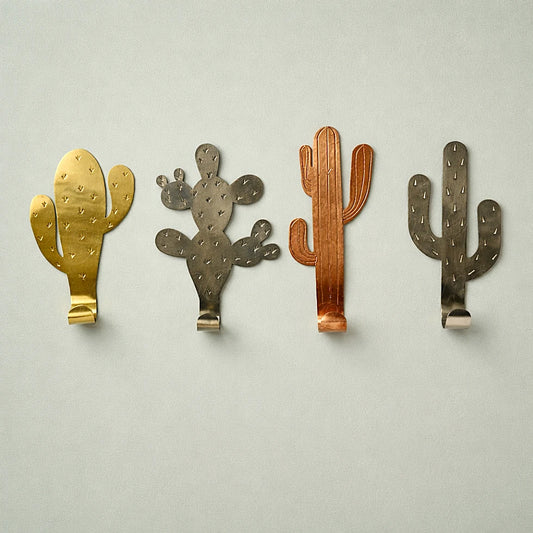
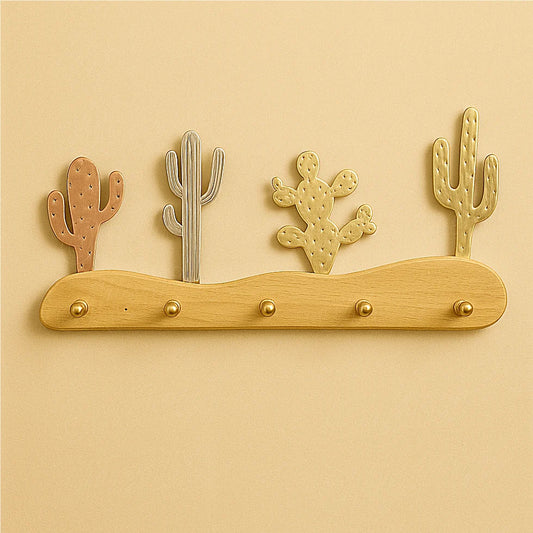
Cactus Wall Key Hook Handmade
From 630.70 MAD -

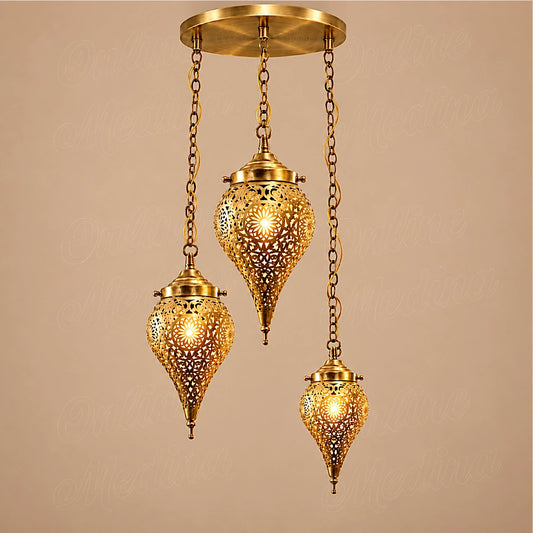
Brass Teardrop Pendant with Rosettes
From 916.30 MAD -

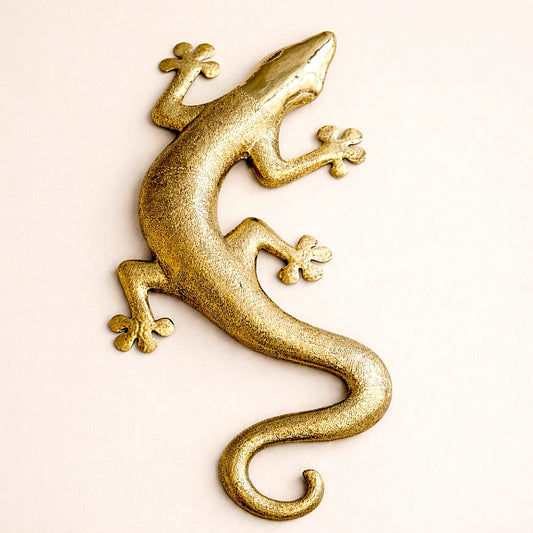
Handcrafted hammered metal wall salamander
From 642.60 MAD -

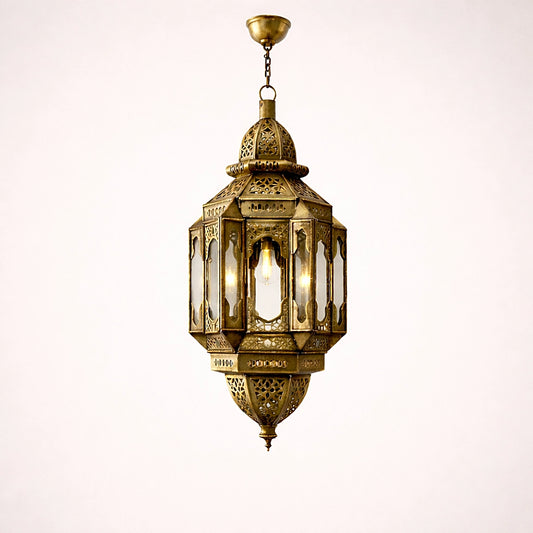
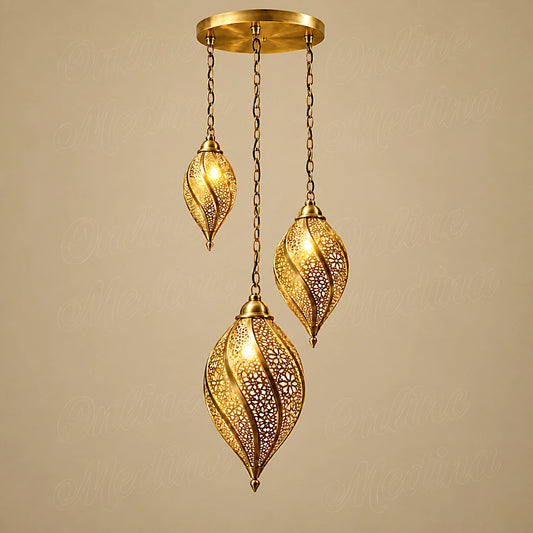
Oriental Brass Lantern Pendant Light
From 3,830.95 MAD -

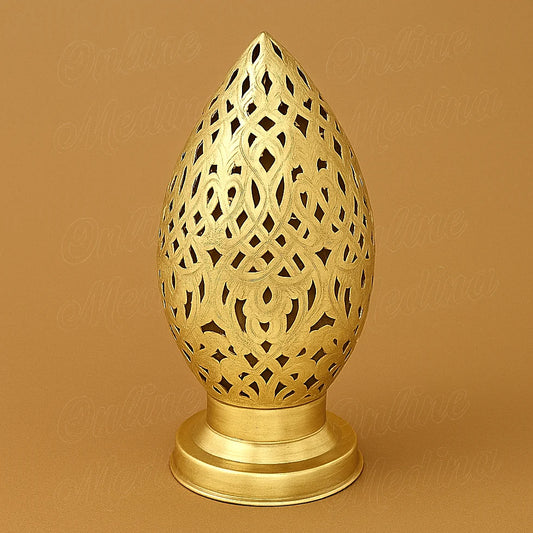
Moroccan Egg Candle Holder in Pierced Brass
From 838.95 MAD -

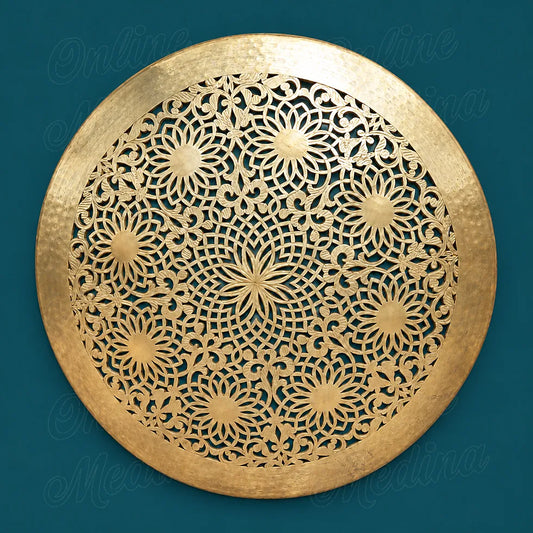
Round Brass Sconce with Floral Rosettes
From 1,147.50 MAD -

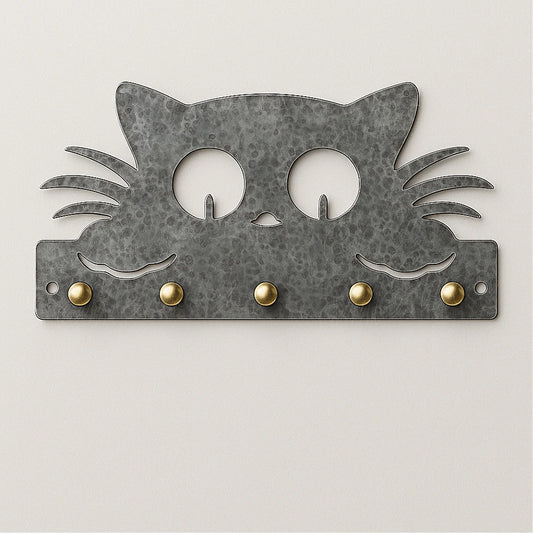
Metal Cat Face Wall Key Holder
From 838.95 MAD -

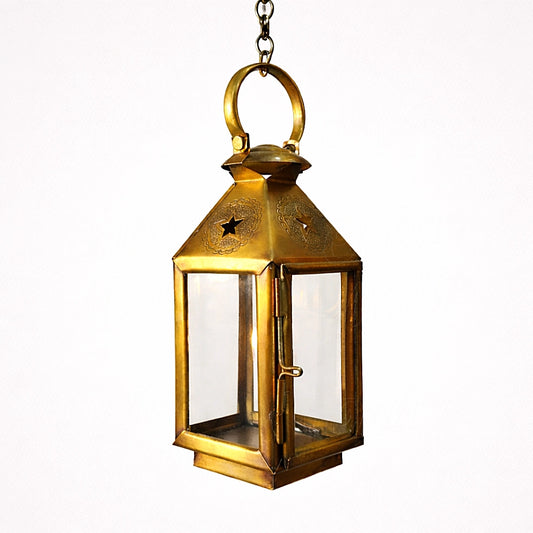
Moroccan Rectangular Brass Candle Lantern
From 722.50 MAD -

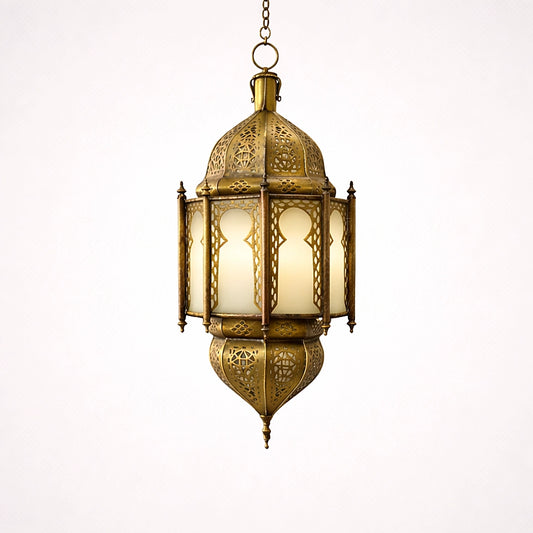
Moroccan Hanging Lantern in Pierced Brass
From 1,705.95 MAD -

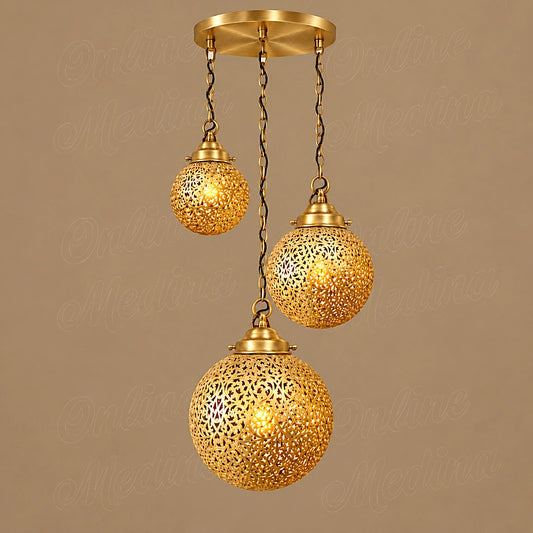
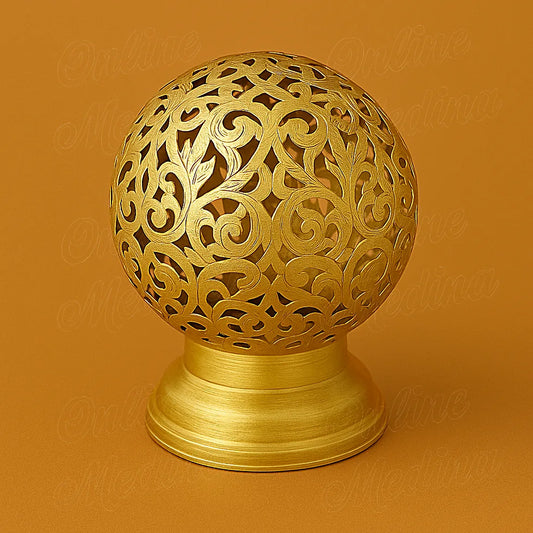
Moroccan Openwork Brass Globe Pendant
From 916.30 MAD -

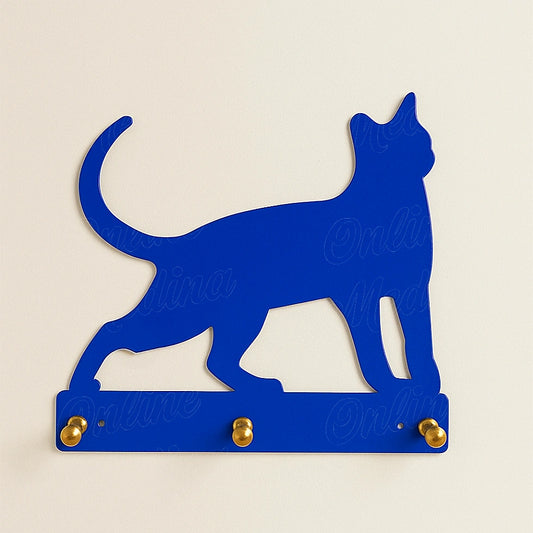
Galvanized Metal Cat Wall Key Holder
From 669.80 MAD -

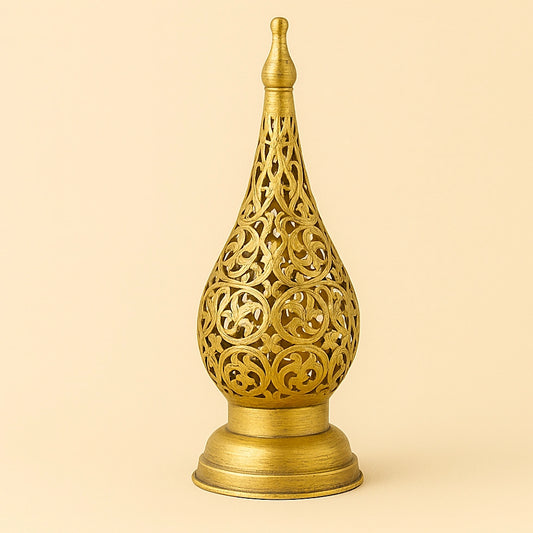
Moroccan Teardrop Candle Holder
From 655.35 MAD -

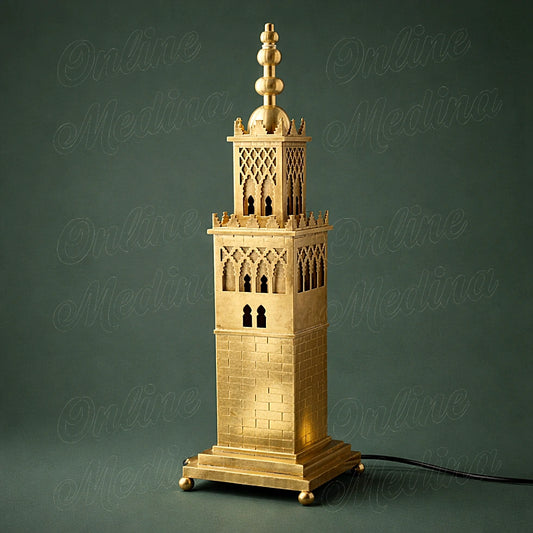
Koutoubia Brass Decorative Lamp
From 8,335.10 MAD -

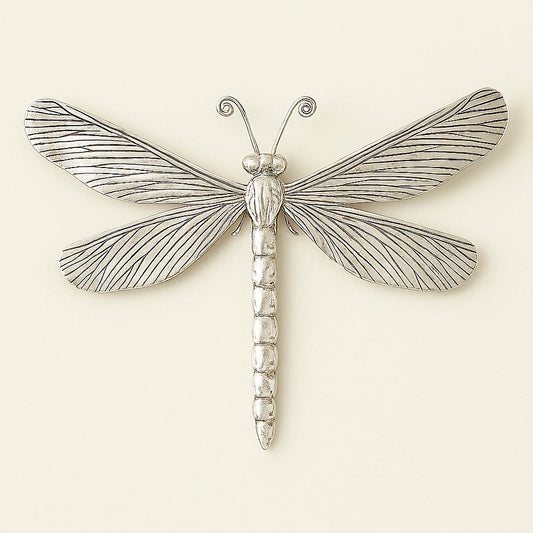
Hammered Metal Wall Dragonfly
From 1,113.50 MAD -

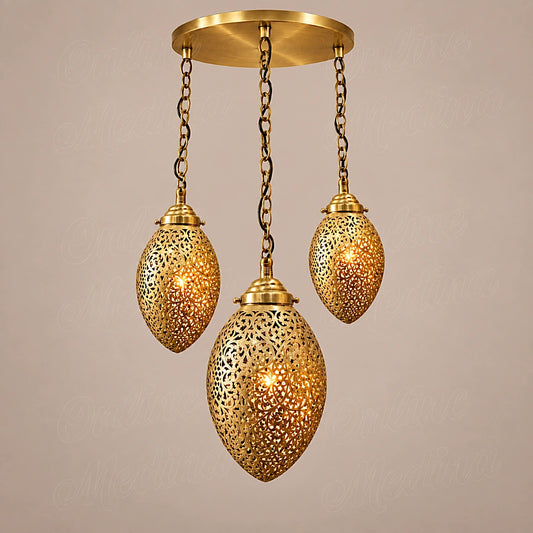
Moroccan Ovoid Pendant in Openwork Brass
From 916.30 MAD -

Moroccan Sphere Candle Holder in Pierced Brass
From 762.45 MAD -

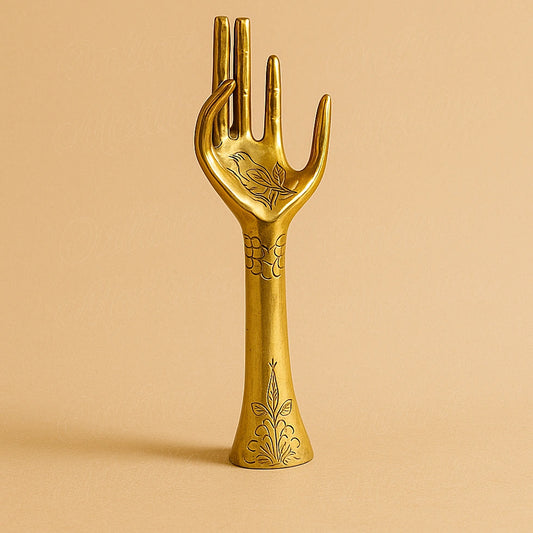
Sculpted metal Hand of Fatima
From 1,771.40 MAD -

Wall coat rack in hammered brass
From 1,542.75 MAD -

Twisted Oval Pendant in Openwork Brass
From 1,245.25 MAD -

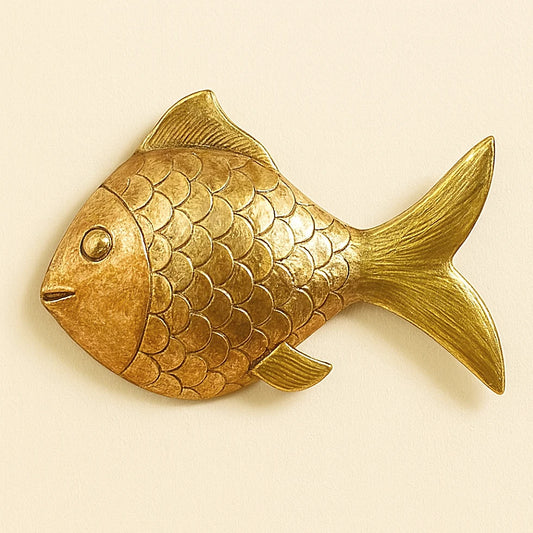
Moroccan Hammered Metal Wall Fish Sculpture
From 708.90 MAD
Collapsible content
Origins & Heritage of Moroccan Metalwork
Metalwork has flourished for centuries in cities like Fes, Marrakech, and Tetouan. Historically, artisans created lighting, architectural details, ceremonial trays, and ornate vessels for palaces and religious sites. The motifs reflect Islamic geometry and Andalusian influence, resulting in intricate, harmonious compositions. Apprentices learn from masters through years of practice, mastering the balance between force and finesse. Purchasing a handcrafted Moroccan metal piece helps sustain a rare artisan profession and preserves a cultural legacy threatened by mass-produced alternatives.
Techniques: Hammering, Piercing & Engraving
The dinandier begins by cutting raw metal sheets, then hammering them to create shape and texture. Piercing (ajourage) is performed with a very fine jeweler’s saw, opening geometric patterns that cast shadows and light in beautiful ways. Engraving adds depth and detail through rhythmic tapping of chisels. After shaping and decorating, each piece is polished by hand to reveal its warm metallic shine. This succession of precise techniques gives Moroccan metalwork its distinctive soul and explains why no two pieces are ever identical.
Metals and finishes: copper, brass and nickel silver
Copper brings warm tones, while brass offers a golden color. Our artisans use nickel silver, an alloy of copper, zinc and nickel containing no silver, for the silver-colored parts of their sculptures and coat racks. Silver-colored lighting is made of nickel-plated brass. Wall key holders are made of galvanized steel coated with zinc. Finishes and other metals vary by model, and differences in texture reflect the handmade process.
Care & Maintenance
Copper and brass age beautifully, developing a soft patina. To maintain brightness, gently clean the surface with a soft cloth; for deeper cleaning, a small amount of lemon or vinegar can help — followed by immediate drying. Avoid abrasive cleaners that scratch the metal. Pierced pieces should be dusted carefully to protect fine details. Store away from excessive humidity to prevent oxidation. With proper care, handcrafted Moroccan metalwork becomes a lasting heirloom, gaining visual richness with every passing year.