Moroccan artisan crafts & skills
Moroccan artisan crafts & skills include metalwork, weaving, and wood engraving. These traditions, preserved in Morocco’s medinas for generations, shape truly unique handmade pieces. Explore these skills and a curated selection of authentic creations.
Online Medina Crafts
Selection of Artisan Creations
-

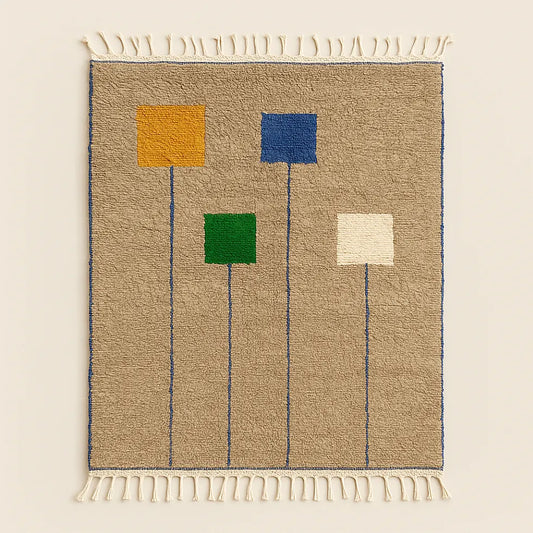
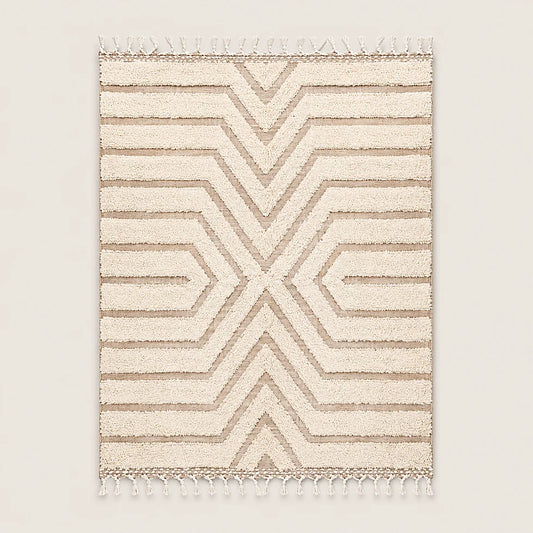
Berber Brown Geometric Rug
Regular price 1,252.00 MADRegular priceUnit price / perSale price 1,252.00 MAD -

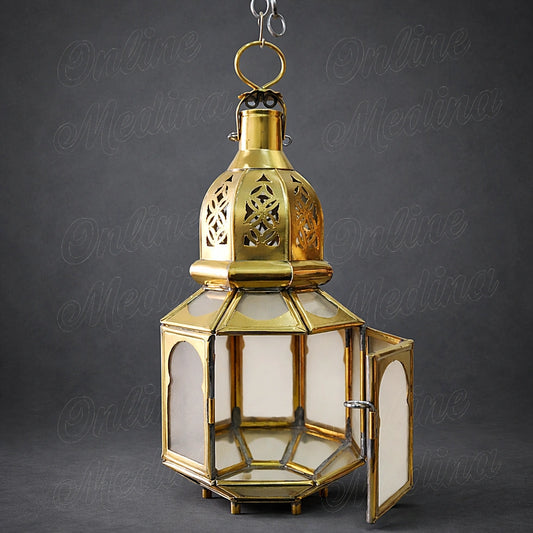
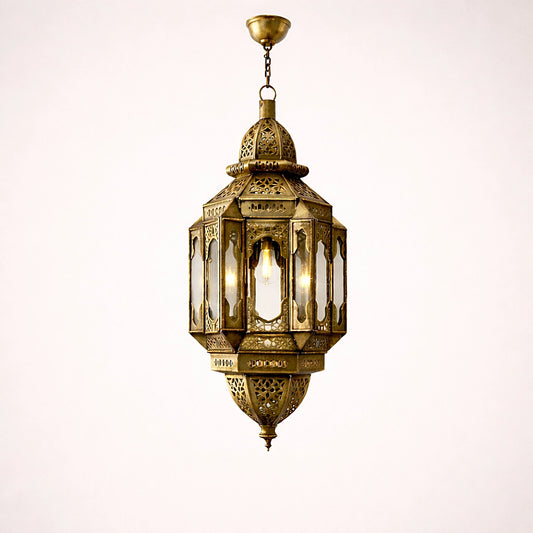
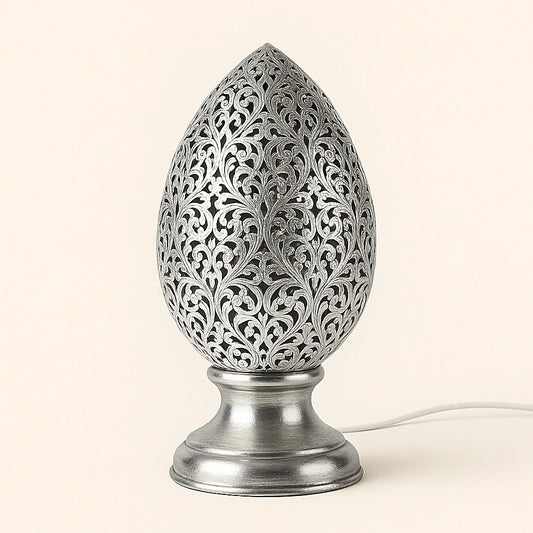
Drop-shaped pierced oriental lamp
From 1,440.00 -

Hammered Metal Wall Dragonfly
From 780.00 -

Brass oriental amphora candle
From 530.00 -

Brown Geometric Wool Rug Handmade
From 1,252.00 -

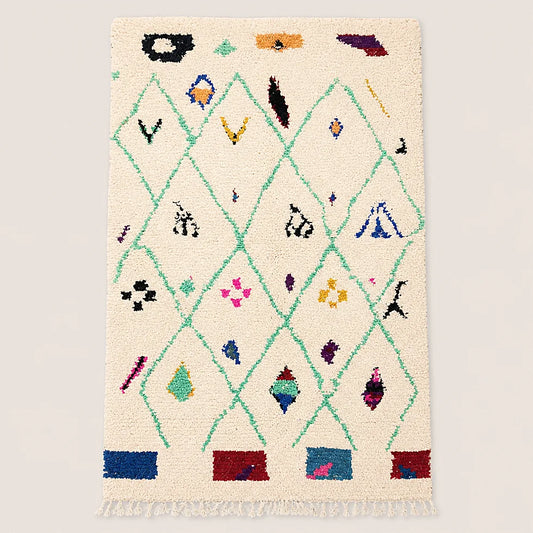
Wool Rug with Azilal Motifs
Regular price 1,252.00 MADRegular priceUnit price / perSale price 1,252.00 MAD -

Moroccan bellows in wood, leather & bone
From 340.00 -

Lotus-shaped Moroccan lamp
From 2,350.00 -

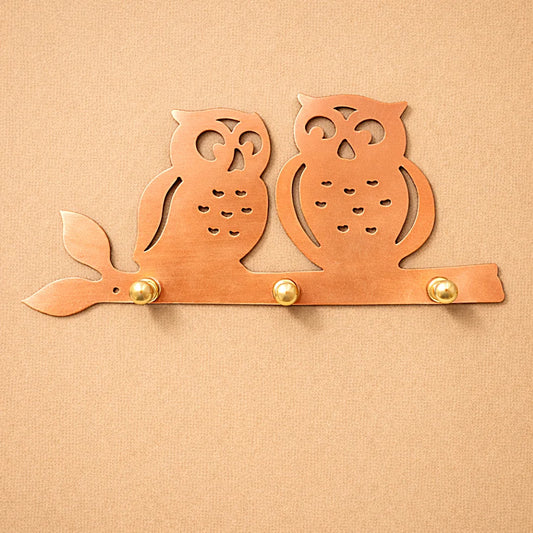
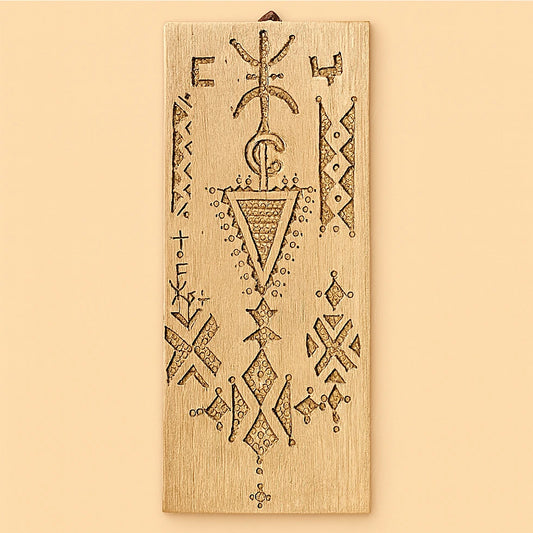
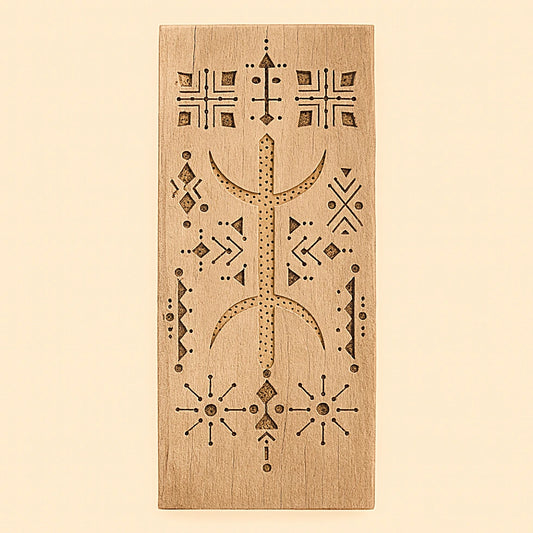
Handcrafted Henna Wall Amulet
From 400.00 -

Handmade Moroccan Wool Rug
From 1,252.00 -

Moroccan bellows in wood & leather
From 440.00 -

Oriental floral egg lamp light
From 1,440.00 -

Sculpted metal Hand of Fatima
From 1,440.00 -

Red Hanbel laptop bag
From 530.00 -

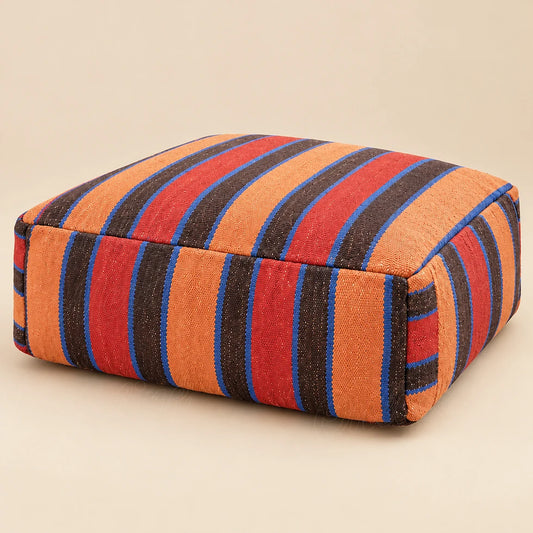
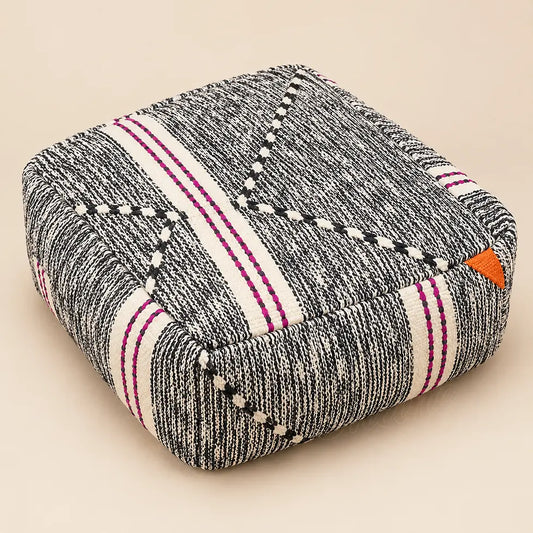
Handwoven Moroccan Wool Pouf
From 770.00
Collapsible content
Morocco’s Artisan Heritage
Morocco’s artisan heritage represents one of the country’s most enduring cultural foundations. According to official publications from the Ministry of Tourism, Handicrafts and Social and Solidarity Economy (MTAESS), more than 172 traditional crafts are currently documented across the Kingdom. These crafts originate from centuries of transmission within the medinas, where techniques are passed down through generations and refined through practice and dedicated apprenticeship.
Core skills include metalwork, weaving, pottery, leatherwork, and wood carving. The Ministry emphasizes that these crafts form a living heritage that reflects Morocco’s cultural identity and plays a key role in safeguarding traditions. Medinas, historically active production centers, strengthen the connection between ancestral techniques and contemporary creation.
Moroccan craftsmanship also carries significant social importance, supporting a substantial portion of the active population and contributing to local economies. Each craft embodies a shared cultural memory shaped by materials, tools, and gestures that form a distinct artistic language.
By valuing these skills, Morocco reinforces the importance of both tangible and intangible heritage and encourages the continued transmission of practices that define the nation’s cultural richness. This heritage remains one of Morocco’s most authentic markers, illustrating the continuity between tradition, creativity, and cultural identity.
The Value of Craftsmanship for Artisans and Clients
Morocco’s handicraft sector benefits from a structured framework developed by the Ministry of Tourism, Handicrafts and Social and Solidarity Economy (MTAESS). Official programs highlight its strategic importance and its reliance on certification, registration, and professional training. The National Register of Artisans identifies craftsmen according to their skills and specialties, ensuring transparency and professional recognition.
For artisans, this framework provides access to development mechanisms, modernization tools, and improved visibility with clients. The Ministry stresses the importance of preserving product quality while transmitting traditional techniques with accuracy. Innovation initiatives encourage controlled evolution while maintaining strong ties to authentic practices.
For clients, this institutional framework offers essential guarantees: each piece is produced by a registered artisan trained in recognized techniques and aligned with established quality standards. Purchasing Moroccan handcrafted pieces means acquiring cultural value, authenticity, and traceability unavailable in industrial production.
The Ministry highlights the central role of craftsmanship in the social economy and its contribution to preserving Moroccan cultural identity. By supporting these artisans, customers directly participate in sustaining a living heritage and ensuring the continuation of traditional skills.